
Dinner & Dialogue: Apologies and Reparations: Which Comes First?
There are historical injustices and instances of wrongdoing – slavery in the Americas, the Nazi holocaust, the apartheid system in South Africa, sexual slavery under the Imperial Japanese Armed Forces during WWII – which seem to call for some kind of response after the fact, and among the plausible ways of addressing historical injustice or wrongdoing are apologies and reparations. For example, in 2008 Canadian Prime Minister Stephen Harper, on behalf of the Government of Canada, offered an apology to former students of Indian Residential Schools. For another example, in 2024 the St. Louis Reparations Commission recommended cash payments to Black residents. However, both apologies and reparations are controversial, even among those who agree that historical injustice and wrongdoing need to be addressed. Apologies are often criticized as empty, in the absence of material reparations, while material reparations are often criticized as a means of avoiding the difficult work of reconciliation.
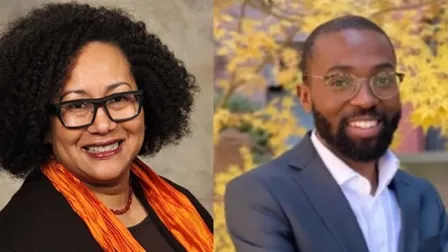
Please join us for a conversation between Adrienne Davis (Law) and Thembelani Mbatha (African & African-American Studies) examining these issues.
Light dinner will be served! All are welcome for this free and unticketed event.
Seating and food are limited; arrive early to ensure a seat!
This event is organized by the Civil Society Initiative at WashU and is sponsored by the Frick Initiative and the Weidenbaum Center on the Economy, Government, and Public Policy.